



Description
Description
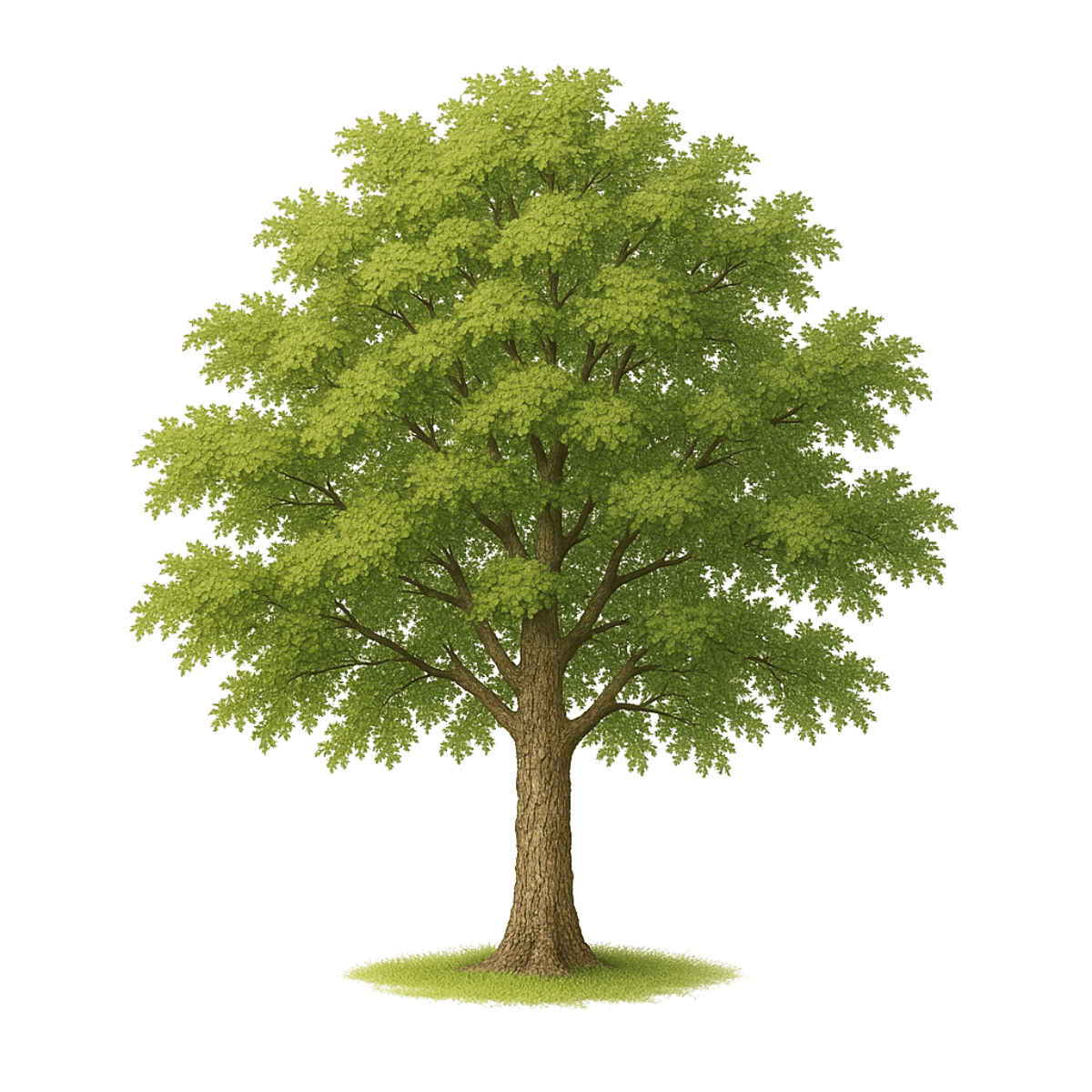
- Height and Spread: Chinkapin Oak typically matures to 40 to 60 feet tall, though exceptional specimens can reach 80 feet, with a broad, rounded crown spreading 50 to 70 feet wide. Its strong, arching branches and large size make it a commanding presence in the landscape.
- Leaves: The leaves are oblong to lance-shaped with sharp, saw-tooth margins, resembling those of a chestnut (hence the name). They emerge a fresh green in spring, mature to a glossy medium green in summer, and turn yellow to golden-brown in autumn.
- Flowers: Inconspicuous yellow-green catkins appear in spring. While not showy, they provide an important pollen source for wildlife.
- Fruit: Produces sweet acorns, among the most palatable of all oaks, cherished by deer, turkey, squirrels, and other wildlife. The acorns mature in a single season.
- Growth Habit: A strong, broad-spreading tree with an upright central trunk, developing into a rounded crown with age. Its flaky, light gray bark adds ornamental interest, especially in winter.
Habitat and Cultivation
- Native Range and Adaptability: Native to much of the central and eastern United States, Chinkapin Oak thrives in USDA zones 3 through 9. It is commonly found in limestone soils, along rocky ridges, and in well-drained bottomlands.
- Soil and Sunlight: Prefers well-drained soils with high pH, especially those derived from limestone. It performs best in full sun but can adapt to a range of soil textures, from rocky to loamy.
- Watering: Requires consistent watering during establishment. Once mature, it is highly drought-tolerant and thrives in challenging, dry sites where many other large trees struggle.
Care and Maintenance
- Pruning: Minimal pruning is required beyond structural training when young and removing dead or damaged wood. Best pruned in late winter while dormant.
- General Care: Known for its resilience, Chinkapin Oak is relatively resistant to pests and diseases compared to other oaks. Its tolerance of alkaline soils makes it especially valuable where other native oaks may struggle.
Landscaping Use
- With its large size, broad canopy, and wildlife value, Chinkapin Oak is an excellent choice as a long-lived shade tree for parks, large residential yards, and naturalized plantings.
- Its sweet acorns support a wide variety of wildlife, while its strong branching and attractive bark add ornamental appeal throughout the year. For landscapes needing a durable, adaptable native oak, Chinkapin Oak is a standout choice.




 @whiteoakgardens
Reviews
Leave a Review See What Customers Are SayingThere are no reviews yet.