



Description
Description
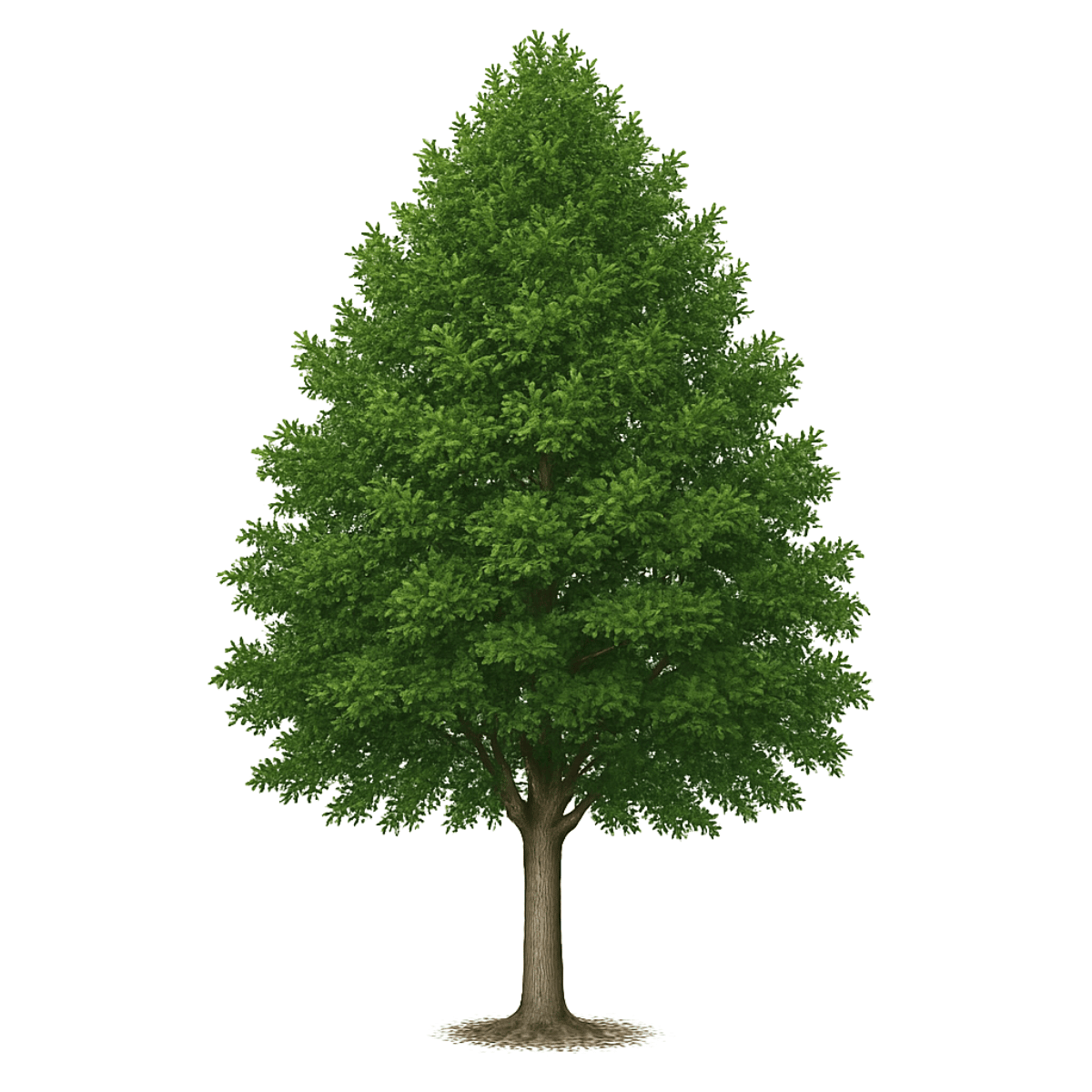
- Height and Spread: Typically reaches about 30 to 50 feet in height with a spread of 20 to 30 feet at maturity. It has a pyramidal to oval growth habit, which becomes more rounded with age.
- Leaves: The leaves are glossy green, ovate to elliptical in shape, with a distinctive, clean appearance throughout the growing season. In autumn, they turn to a stunning mix of red, orange, and purple, offering some of the most brilliant fall color among native trees.
- Flowers: ‘Green Gable’ produces small, greenish-white flowers in late spring. While the flowers are not particularly showy, they are a valuable nectar source for bees and other pollinators.
- Fruit: It bears small, blue-black fruit in late summer to fall, which are favored by birds and wildlife, adding to the tree’s ecological value.
- Growth Habit: This cultivar is noted for its upright, uniform growth and ability to maintain a central leader without the need for extensive pruning.
Habitat and Cultivation
- Native Range and Adaptability: While Nyssa sylvatica is native to eastern North America, ‘Green Gable’ is a cultivated variety selected for its landscape performance. It is adaptable to a wide range of soil types and environmental conditions, thriving in USDA zones 4 through 9.
- Soil and Sunlight: Prefers moist, well-drained, acidic soils but can tolerate a variety of soil conditions, including wet and somewhat dry sites. ‘Green Gable’ performs best in full sun to partial shade.
- Watering: Requires regular watering, especially during dry periods and in the first few years after planting to establish a deep root system. Once established, it is relatively drought tolerant.
Care and Maintenance
- Pruning: Minimal pruning is needed, mainly to remove any damaged or diseased branches. It’s best to prune in late winter or early spring before new growth begins.
Landscaping Use
- Due to its striking fall color and graceful growth habit, ‘Green Gable’ Black Gum is an excellent choice for use as a specimen tree, in street plantings, or in naturalized areas.
- Its resistance to pests and diseases, along with its adaptability to various soil and environmental conditions, makes it suitable for a wide range of landscaping projects, from residential gardens to public parks and beyond.




 @whiteoakgardens
Reviews
Leave a Review See What Customers Are SayingThere are no reviews yet.