


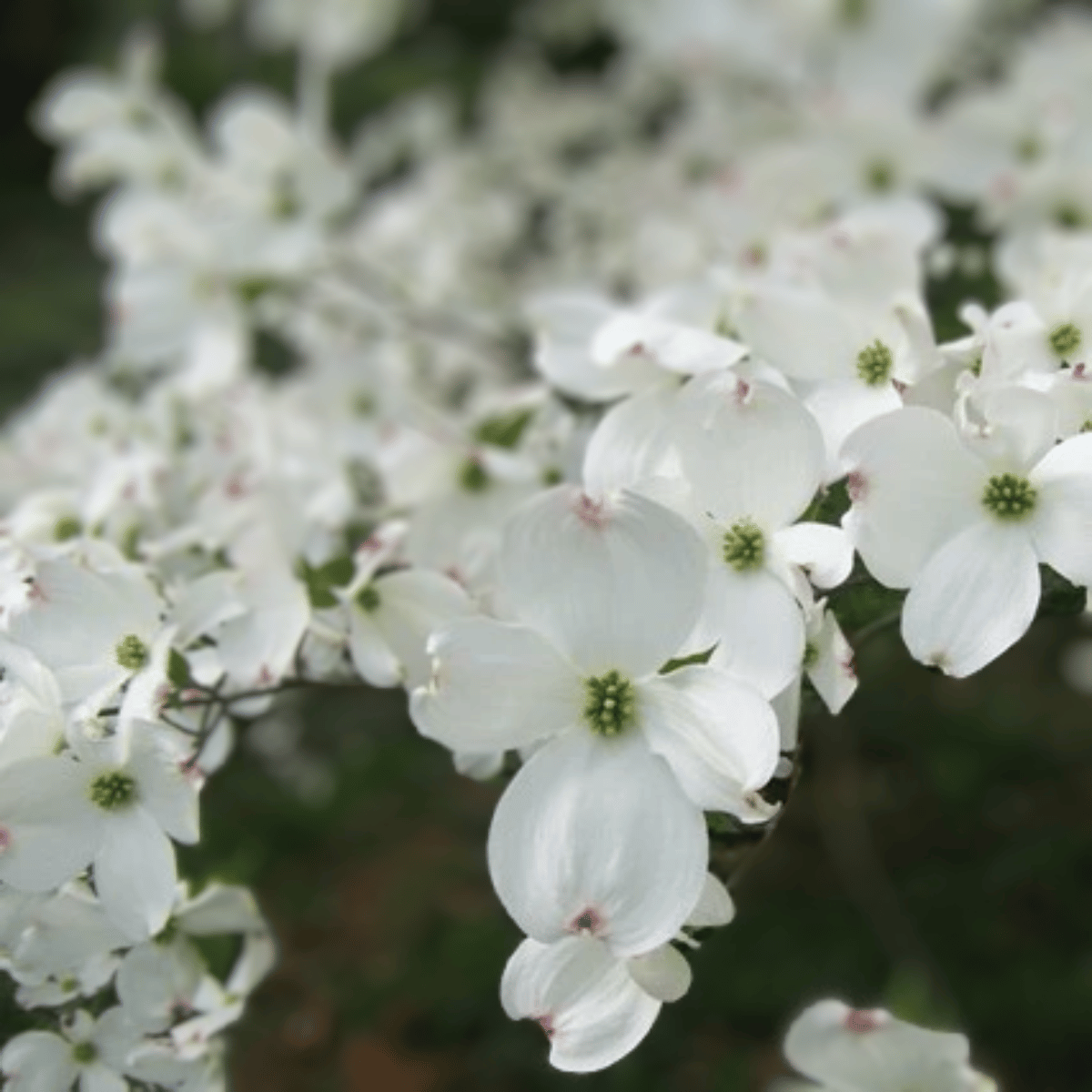

Description
Description
- Height and Spread: Dogwoods can vary in size but generally range from 10 to 25 feet in height and spread, depending on the species and cultivar.
- Leaves: Most dogwoods have simple, opposite leaves that can turn vibrant shades of red, purple, and orange in the fall.
- Flowers: Dogwoods are renowned for their spring blooms, which are not true flowers but bracts (modified leaves) surrounding small, inconspicuous flowers. The ‘Spring Grove’ Dogwood is known for its striking white flowers.
- Fruit: Many produce ornamental fruit in late summer to fall, ranging in color from bright red to blue-black, attracting birds and other wildlife.
Habitat and Cultivation
- Native Range and Adaptability: While specific to each species and cultivar, dogwoods generally prefer temperate climates and can be found across various habitats in North America, Asia, and Europe.
- Soil and Sunlight: Most dogwoods prefer well-drained, acidic to neutral soil. They can thrive in full sun to partial shade, with many varieties preferring a bit of afternoon shade in hotter climates.
- Watering: Regular watering is important, especially for younger trees and during dry spells, to maintain moist but not soggy soil.
Care and Maintenance
- Pruning: Pruning is usually minimal, aimed at removing dead or diseased branches and shaping the tree. It’s best done after the tree has flowered to avoid cutting off next year’s buds.
Landscaping Use
- Dogwood trees are highly valued in landscaping for their moderate size, beautiful spring blooms, and attractive fall foliage. They are suitable as specimen trees, for planting in mixed borders, or under larger trees if the variety tolerates shade.
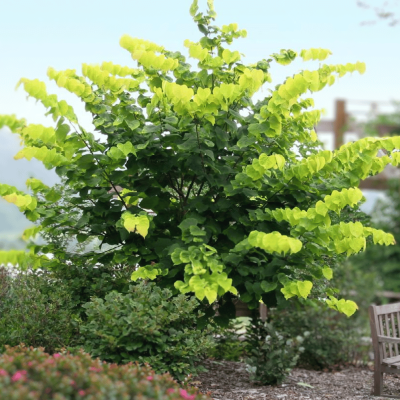

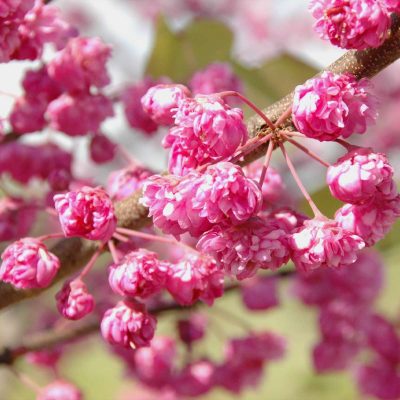


 @whiteoakgardens
Reviews
Leave a Review See What Customers Are SayingThere are no reviews yet.