



Description
Description
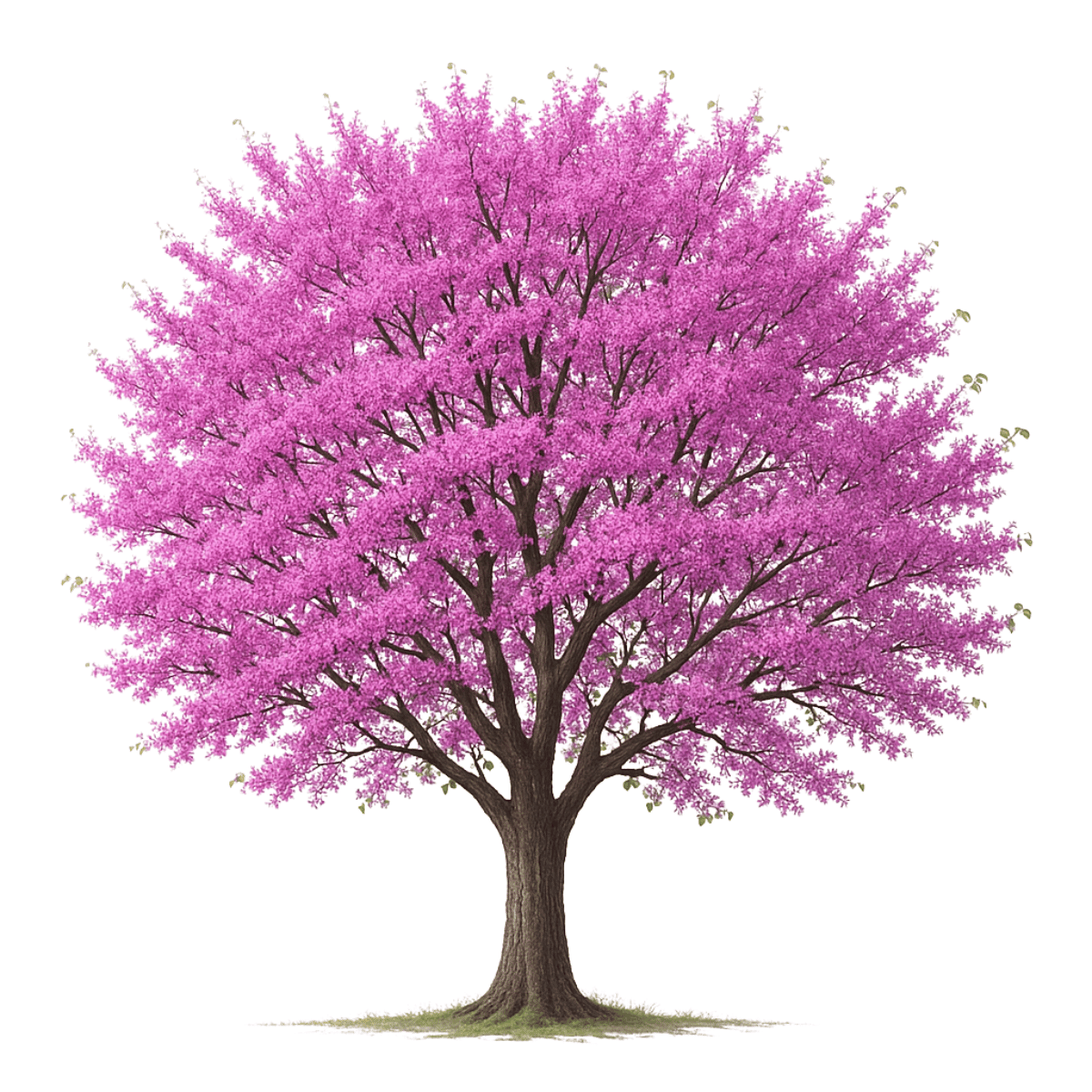
- Height and Spread: The Eastern Redbud typically grows 20 to 30 feet tall with a spread of 25 to 35 feet. It has a broadly rounded to vase-shaped form, with a spreading canopy that provides moderate shade. The tree’s size and shape make it suitable for both small and large landscapes.
- Leaves: The tree features large, heart-shaped leaves that emerge a reddish-purple in spring, maturing to a lush, dark green in summer. In the fall, the leaves turn a vibrant yellow, adding a splash of color to the autumn landscape.
- Flowers: One of the most striking features of the Eastern Redbud is its abundant display of small, pea-like flowers that appear in early spring, before the leaves emerge. The flowers are typically rosy-pink, though they can range from light pink to magenta, and cover the tree’s branches, even on older wood. These blooms attract pollinators, including bees and butterflies, making the tree a valuable addition to wildlife-friendly gardens.
- Growth Habit: The Eastern Redbud has an upright, spreading habit, with a graceful, rounded canopy. It grows at a moderate rate, developing a full, dense form that provides excellent coverage and shade.
Habitat and Cultivation
- Adaptability: Native to the eastern United States, the Eastern Redbud is highly adaptable to a variety of soil conditions and is hardy in USDA zones 4 to 9. It can tolerate a range of environmental conditions, including urban pollution, making it a versatile choice for different settings.
- Soil and Sunlight: Prefers well-drained, loamy soil but can adapt to clay or sandy soils. It thrives in full sun to partial shade, with full sun promoting the most prolific flowering. Partial shade is beneficial in hotter climates to protect the leaves from scorching.
- Watering: Requires regular watering, especially during dry periods and in the first few years after planting to establish a strong root system. Once established, the Eastern Redbud is moderately drought-tolerant but performs best with consistent moisture.
Care and Maintenance
- Pruning: Minimal pruning is needed, but it’s advisable to remove any dead, diseased, or crossing branches in late winter or early spring to maintain the tree’s health and structure. The tree’s natural shape is attractive, so heavy pruning is rarely necessary.
Landscaping Use
- The Eastern Redbud is a versatile ornamental tree, perfect for use as a specimen or focal point in both small and large gardens. Its early spring blooms make it a standout in the landscape, and its manageable size allows it to fit into a variety of settings, including front yards, mixed borders, and woodland gardens.
- It also pairs beautifully with other spring-blooming plants such as magnolias, forsythias, and daffodils. The tree’s heart-shaped leaves and rounded form provide a pleasing contrast to more angular or upright plants, creating a harmonious garden design.
- The Eastern Redbud’s ability to thrive in urban environments, combined with its year-round interest, makes it an excellent choice for city gardens, parks, and other public spaces.




 @whiteoakgardens
Reviews
Leave a Review See What Customers Are SayingThere are no reviews yet.