



Description
Description
- Height and Spread: The Pink Pom Poms Redbud typically grows 12 to 15 feet tall with a spread of 15 to 18 feet. It has a rounded to vase-shaped form, making it a perfect choice for smaller gardens or as a stunning focal point in larger landscapes.
- Leaves: The tree features large, heart-shaped leaves that emerge a fresh, light green in spring, maturing to a deep, rich green in summer. In fall, the foliage turns a warm yellow, adding seasonal interest and contrast to the garden.
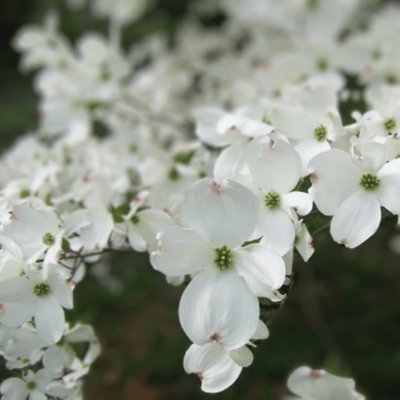
- Flowers: The most striking feature of the Pink Pom Poms Redbud is its double-pink flowers that resemble miniature roses. These dense, pom-pom-like clusters cover the branches in early spring, creating a breathtaking floral display before the leaves emerge. The blooms are sterile, meaning they do not produce seed pods, which can be an advantage in some garden settings.
- Growth Habit: Pink Pom Poms Redbud has an upright, spreading habit with a well-branched structure. It grows at a moderate rate and maintains a compact, rounded form, making it ideal for use in a variety of landscape applications.
Habitat and Cultivation
- Adaptability: Native to the eastern United States, the Pink Pom Poms Redbud is adaptable to a wide range of soil types and is hardy in USDA zones 5 to 9. It is well-suited for both urban and rural environments and can tolerate some environmental stressors.
- Soil and Sunlight: Prefers well-drained, loamy soil but can adapt to clay or sandy soils. It thrives in full sun to partial shade, with full sun promoting the best flowering and foliage color. In hotter climates, partial shade may help prevent leaf scorch.
- Watering: Requires regular watering, especially during the first few years after planting to establish a strong root system. Once established, it is moderately drought-tolerant but performs best with consistent moisture.
Care and Maintenance
- Pruning: Minimal pruning is needed, but it’s advisable to remove any dead, diseased, or crossing branches in late winter or early spring to maintain the tree’s health and structure. The compact, well-branched habit of the Pink Pom Poms Redbud reduces the need for frequent pruning.
Landscaping Use
- The Pink Pom Poms Redbud is an exceptional ornamental tree, ideal for use as a specimen or accent tree in small to medium-sized gardens. Its vibrant double-pink flowers and compact size make it a focal point in any landscape.
- It also pairs beautifully with other spring-blooming plants such as azaleas, magnolias, and daffodils. The tree’s heart-shaped leaves and neat, rounded form make it suitable for mixed borders, foundation plantings, or even as a flowering hedge.
- In addition to its springtime beauty, the Pink Pom Poms Redbud provides multi-season interest with its attractive foliage in summer and fall and its ornamental bark in winter.


 @whiteoakgardens
Reviews
Leave a Review See What Customers Are SayingThere are no reviews yet.