



Description
Description
- Height and Spread: White Oaks commonly reach 50 to 80 feet in height, with a broad spreading canopy that can be equally wide, often developing a massive and rounded form with age.
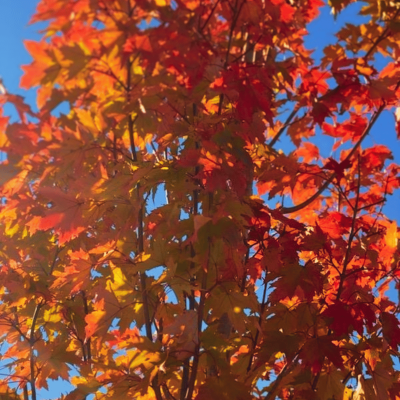
- Leaves: The leaves are lobed with rounded tips, unlike the pointed lobes of many other oaks. They are bright green on top and paler underneath, turning shades of red to burgundy, or sometimes a spectacular deep purple in the fall.
- Flowers: This tree produces male flowers in the form of catkins and small female flowers on the same tree in spring, which are wind-pollinated.
- Fruit: The acorns, which mature in one season, are borne on short stalks and have a distinctive, warty cap that covers about one-fourth of the nut. They are an important food source for wildlife.
- Growth Habit: White Oaks are known for their slow growth rate but can live for centuries, developing a wide-spreading root system that contributes to their longevity and stability.
Habitat and Cultivation
- Native Range and Adaptability: Quercus alba is native to the eastern and central regions of the United States. It is adaptable to a variety of soil types but prefers well-drained, acidic soils. It is hardy in USDA zones 3 through 9.
- Soil and Sunlight: Thrives in full sun but can tolerate partial shade, especially in the hotter parts of its range. It is adaptable to various soil conditions but prefers moist, well-drained loamy soils.
- Watering: While established White Oaks are drought-tolerant, they benefit from regular watering during dry spells, particularly in their younger years to establish a deep root system.
Care and Maintenance
- Pruning: Minimal pruning is needed, primarily to remove dead or diseased wood or to correct structural issues. Pruning is best done in the dormant season.
Landscaping Use
- White Oaks are magnificent specimen trees, suitable for large landscapes, parks, and naturalized areas. Their grandeur and seasonal color make them excellent choices for focal points in garden design.
- Their acorns provide food for a wide range of wildlife, including birds, squirrels, and deer, making them valuable additions to wildlife gardens and habitats.




 @whiteoakgardens
Reviews
Leave a Review See What Customers Are SayingThere are no reviews yet.