



Description
Description
- Height and Spread: ‘Greensleeves’ typically matures to 15 to 20 feet tall with a spread of 15 to 20 feet, forming a rounded, vase-shaped crown. Its moderate size makes it well-suited for residential gardens and smaller landscapes.
- Leaves: The medium-green, ovate leaves are lush through summer, turning shades of red and orange in autumn for a colorful seasonal display.
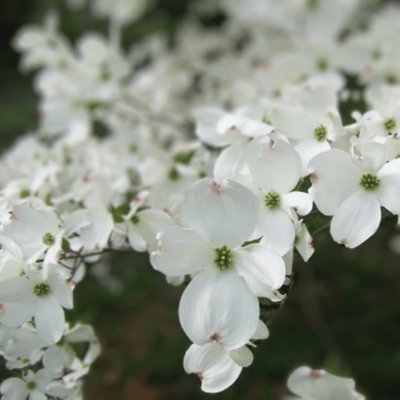
- Flowers: In late spring to early summer, the tree is covered with showy white bracts surrounding small greenish-yellow true flowers. The blooms are long-lasting and especially abundant on this cultivar.
- Fruit: Large, raspberry-like red fruit clusters develop in late summer to fall. Highly ornamental and attractive to birds, the fruit persists into early autumn.
- Growth Habit: Dense, upright, and vase-shaped in youth, broadening into a rounded form with age. Its layered branching gives it architectural elegance.
Habitat and Cultivation
- Native Range and Adaptability: As a cultivar of the Asian dogwood (Cornus kousa), ‘Greensleeves’ is hardy in USDA zones 5 through 8. It is highly adaptable and performs reliably in a wide range of garden settings.
- Soil and Sunlight: Prefers well-drained, slightly acidic soils. Thrives in full sun to partial shade, with best flowering occurring in sunnier exposures.
- Watering: Requires regular watering during establishment. Once mature, it is moderately drought-tolerant but benefits from consistent soil moisture for optimal flowering and fruiting.
Care and Maintenance
- Pruning: Minimal pruning is needed, primarily to remove dead or crossing branches. Pruning is best done in late winter or immediately after flowering.
- General Care: Known for excellent vigor and reliable performance. ‘Greensleeves’ has good resistance to common dogwood diseases such as anthracnose, making it a durable choice for landscapes.
Landscaping Use
- With its abundant flowers, ornamental fruit, and rich fall color, the ‘Greensleeves’ Kousa Dogwood is an outstanding four-season tree.
- It works beautifully as a specimen, in mixed borders, or near patios and entryways where its layered form and seasonal interest can be appreciated up close. Its moderate size and year-round appeal make it an excellent choice for both residential and public landscapes.



 @whiteoakgardens
Reviews
Leave a Review See What Customers Are SayingThere are no reviews yet.