



Description
Description
- Height and Spread: Typically grows to about 20 to 25 feet in height with a spread of 15 to 20 feet. It has an upright, multi-stemmed habit that can create a rounded to vase-shaped appearance as it matures.
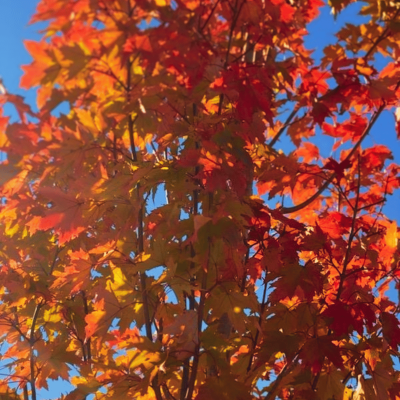
- Leaves: The leaves are medium green and oval-shaped with finely toothed margins, turning to a brilliant red-orange in the fall, from which the cultivar derives its name.
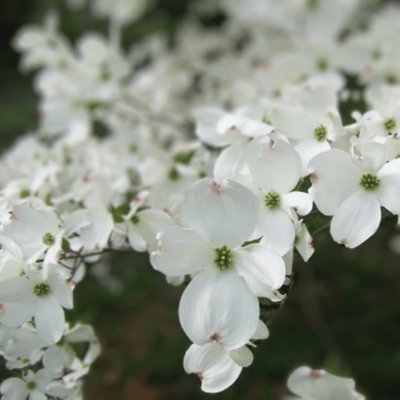
- Flowers: In early spring, before the foliage fully emerges, ‘Autumn Brilliance’ is adorned with clusters of white, star-shaped flowers. These blooms not only add beauty to the landscape but also attract pollinators.
- Fruit: The flowers give way to small, round, edible fruits in early summer. The berries start as green, turn red, and finally mature to a dark purple-blue. They are sweet and can be eaten fresh or used in jams, jellies, and pies.
- Growth Habit: This tree has a moderate growth rate and is known for its dense branching structure, which provides substantial visual interest throughout the year.
Habitat and Cultivation
- Native Range and Adaptability: While ‘Autumn Brilliance’ is a cultivar and not native, its parent species are native to North America. It is adaptable to a wide range of environmental conditions and can be planted in USDA zones 4 through 9.
- Soil and Sunlight: Prefers well-drained, moist soils but can tolerate a variety of soil types, including clay. It thrives in full sun to partial shade, with more fruit production in sunnier locations.
- Watering: Requires regular watering, especially during the first few years after planting to establish a deep and extensive root system. Once established, it is somewhat drought tolerant.
Care and Maintenance
- Pruning: Pruning is minimal and typically focused on removing any dead or diseased wood, as well as shaping the tree. It’s best to prune in late winter or early spring before new growth begins.
Landscaping Use
- The ‘Autumn Brilliance’ Serviceberry is valued for its year-round decorative appeal. It can be used as a specimen tree, in mixed borders, or as part of a native plant garden.
- Its size and form make it suitable for residential landscapes, and its edible fruit provides an additional benefit for wildlife or for culinary use.



 @whiteoakgardens
Reviews
Leave a Review See What Customers Are SayingThere are no reviews yet.