



In the intricate web of nature, pollination serves as a fundamental process that sustains the delicate balance of ecosystems. While honeybees and butterflies often dominate discussions surrounding pollinators, there exists a diverse array of lesser-known species that contribute significantly to this vital ecological function.
Join us on a journey to uncover the unsung heroes of pollination – the Milkweed Beetle, 6-Spotted Ladybug, Common Flies, Cecropia Moth, and the mysterious Little Brown Bat.
The Milkweed Beetle:
Tiny Pollinator in Disguise
The Milkweed Beetle, often found nestled among the vibrant blooms of milkweed plants, is a stealthy pollinator despite its diminutive size. These beetles play a crucial role in the reproduction of milkweed plants by inadvertently transferring pollen as they move from flower to flower in search of nectar. With their bright red and black coloration, they blend seamlessly into their surroundings, all the while aiding in the perpetuation of milkweed populations.

The 6-Spotted Ladybug:
Pollinating with a Purpose
The 6-Spotted Ladybug, renowned for its distinctive polka-dotted appearance, is more than just a predator of garden pests. This tiny beetle also contributes to pollination as it traverses through gardens and fields. While it feeds on aphids and other small insects, it also visits flowers, where it inadvertently picks up and transports pollen. Through its dual role as both predator and pollinator, the 6-Spotted Ladybug plays a vital role in maintaining the balance of ecosystems.

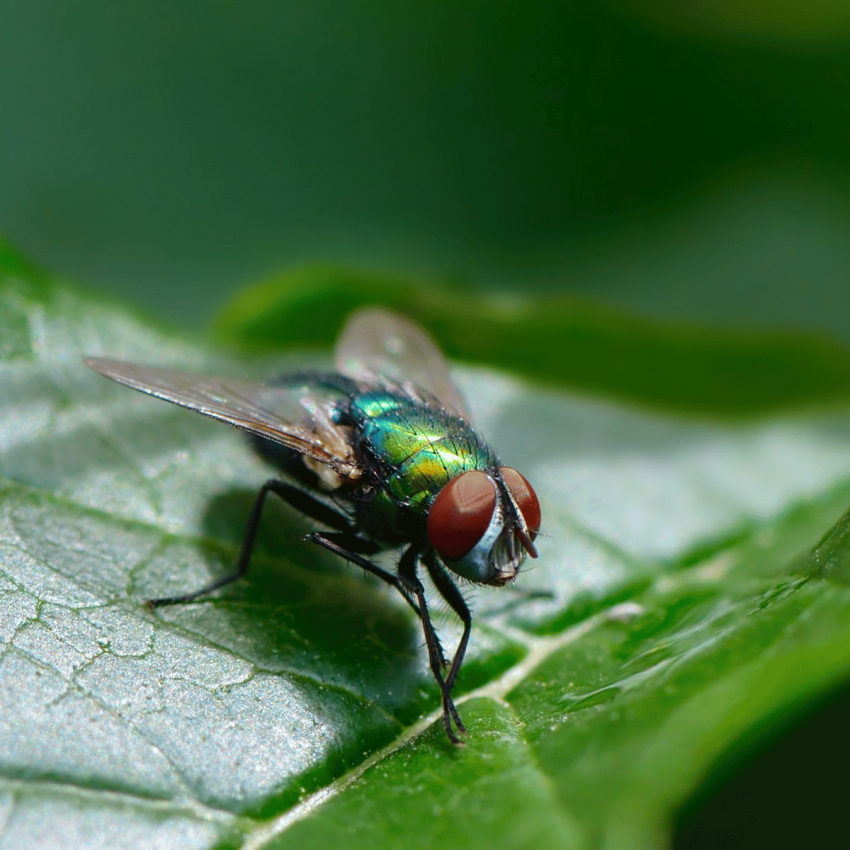
Common Flies:
Nature’s Silent Pollinators
Despite their reputation as mere nuisances, common flies are surprisingly efficient pollinators. As they forage for food in gardens and fields, they visit a wide variety of flowers, inadvertently carrying pollen from one bloom to another. Although they may not possess the grace of butterflies or the industriousness of bees, their contributions to pollination are invaluable in sustaining plant populations and supporting biodiversity.
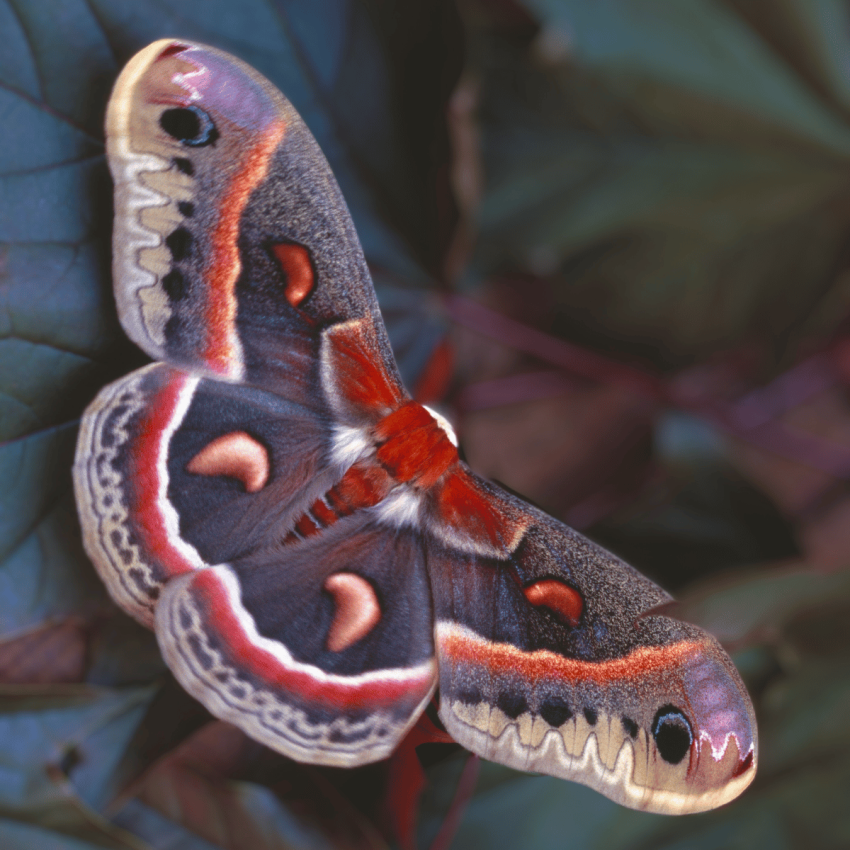
The Cecropia Moth:
Nighttime Pollination in Motion
The Cecropia Moth, with its majestic wingspan and ethereal beauty, emerges as a key player in nocturnal pollination. Under the cover of darkness, these giant silk moths seek out the sweet nectar of night-blooming flowers, inadvertently transferring pollen as they feed. Despite their ephemeral appearances, Cecropia Moths play a vital role in pollinating a variety of plant species, ensuring their continued survival in the nocturnal realm.
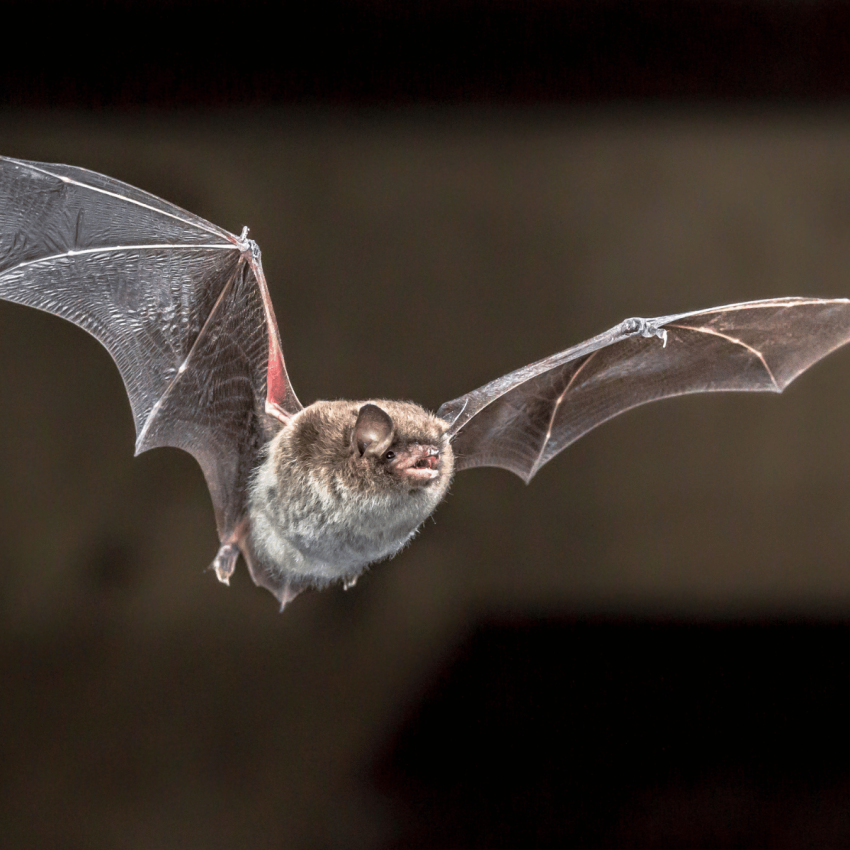
The Little Brown Bat:
Guardians of Nighttime Pollination
As dusk descends and darkness falls, the Little Brown Bat takes to the skies in search of food. Guided by echolocation, these nocturnal creatures seek out the nectar of night-blooming flowers, inadvertently transferring pollen from one bloom to another as they feed. Despite their small size, Little Brown Bats play a crucial role in pollinating a variety of plants, including many species of fruit trees and wildflowers. Through their nocturnal endeavors, they contribute to the health and diversity of ecosystems under the cloak of night.


 @whiteoakgardens