



Description
Description
- Height and Spread: Stachys varieties can vary widely in size, from low-growing ground covers reaching only a few inches in height to taller varieties that can grow up to 2 feet tall with a spread to match.
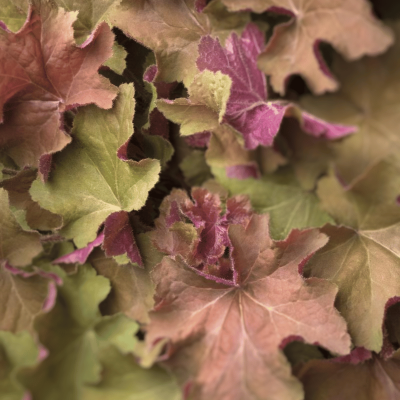
- Leaves: Features densely packed, fuzzy leaves that are typically silvery-gray or green. The foliage is soft to the touch and retains its velvety texture throughout the growing season, adding unique texture and interest to the garden.
- Flowers: Boasts spikes of small, tubular flowers in shades of pink, purple, white, or lavender. The flowers are arranged in dense, cylindrical clusters atop upright stems and appear from late spring to early summer, attracting bees, butterflies, and other pollinators.
- Growth Habit: Stachys has a clumping growth habit, with multiple stems arising from a central crown. It forms dense, low mounds or upright spikes, depending on the variety, making it suitable for ground covers, edging, or accents in garden beds.
Habitat and Cultivation
- Adaptability: Stachys species are adaptable to various climates and growing conditions, thriving in USDA hardiness zones 4 to 9. They prefer well-drained soil and perform best in full sun to partial shade.
- Soil and Sunlight: Prefers moderately fertile, well-drained soil. Stachys can tolerate poor or sandy soils but may struggle in heavy clay or overly wet conditions. Adequate sunlight ensures vigorous growth and prolific flowering.
- Watering: Once established, Stachys is relatively drought-tolerant and prefers moderate moisture levels. Water deeply and allow the soil to dry out slightly between waterings to prevent root rot and promote healthy root development.
Care and Maintenance
- Pruning: Deadheading spent flowers can encourage continuous blooming and prevent self-seeding, though some gardeners may appreciate the volunteer seedlings. Prune back foliage in early spring to promote new growth and maintain a tidy appearance.
- Pests and Diseases: Stachys is generally resistant to pests and diseases, though it may occasionally face issues such as powdery mildew or leaf spot. Ensure good air circulation around plants and avoid overhead watering to minimize these problems.
Landscaping Use
- Stachys is versatile in the landscape, suitable for use as a ground cover, edging plant, or accent in borders and rock gardens. Its unique foliage texture, long-lasting blooms, and low maintenance needs make it a valuable addition to both formal and informal garden designs.
- It also works well in containers, where its soft foliage and colorful spikes provide interest and contrast with other plants. Stachys can be used as a filler or thriller in mixed container arrangements.




 @whiteoakgardens
Reviews
Leave a Review See What Customers Are SayingThere are no reviews yet.