



When you think of vibrant, colorful flowers that can withstand the chilly temperatures of early spring or even a light frost, pansies are often the first to come to mind. These hardy blooms have earned a well-deserved reputation as the most reliable and cheerful flowers for gardens. Whether you’re looking to add a pop of color in early spring or fill out your fall garden with some beauty, pansies are here to brighten up your outdoor spaces.
Why Pansies Are Perfect for Cooler Climates
Pansies are among the few plants that thrive through the cooler months, offering vibrant blooms during times when many other flowers are dormant. They can survive light frosts and even tolerate chilly nights, making them an excellent choice for both fall and early spring gardens. You can plant them as early as late February or March and expect them to bloom well into May. Then, as temperatures cool in the fall, they often re-bloom again, providing color through October and into November.
A Rainbow of Color for Your Garden
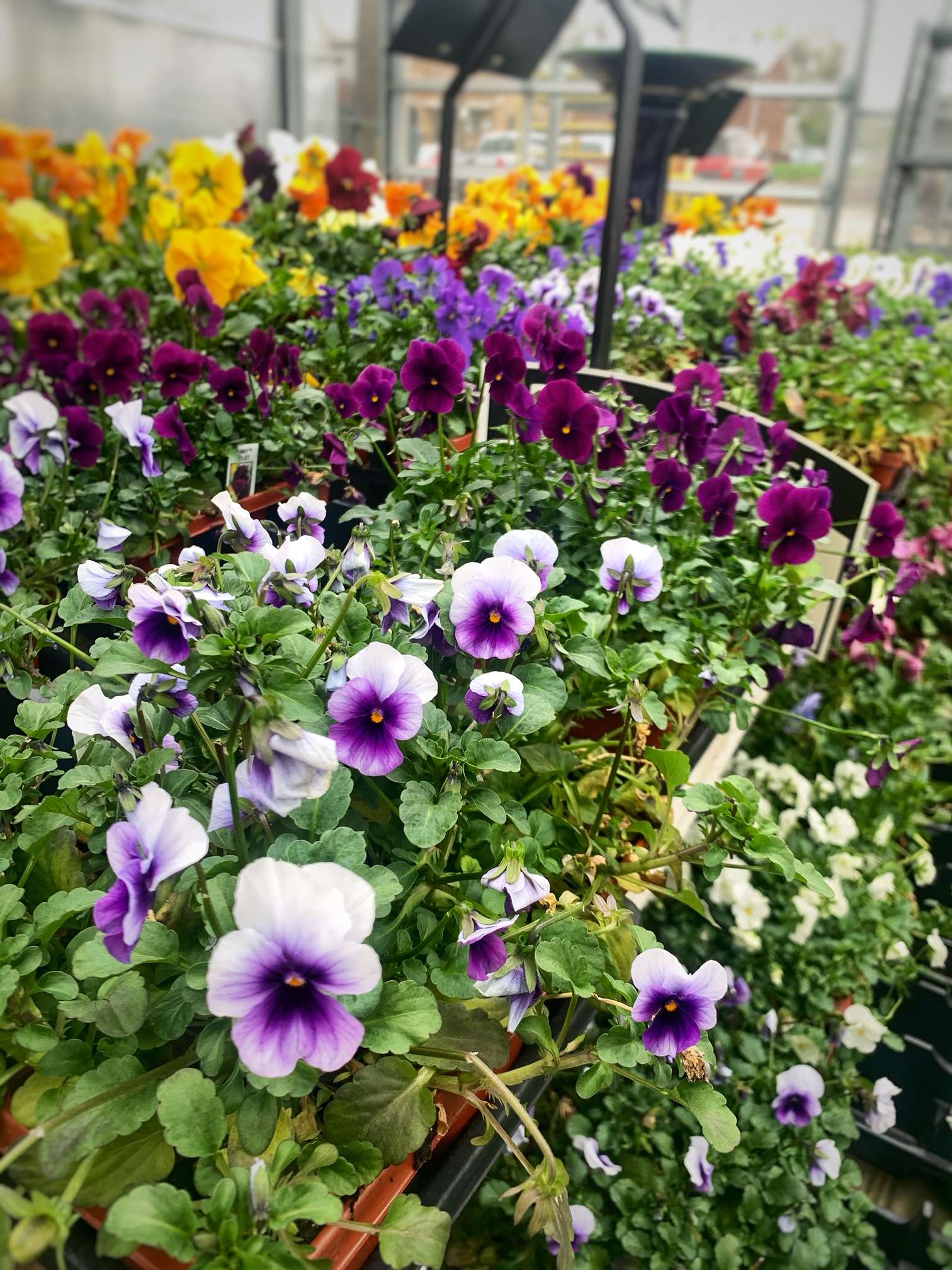
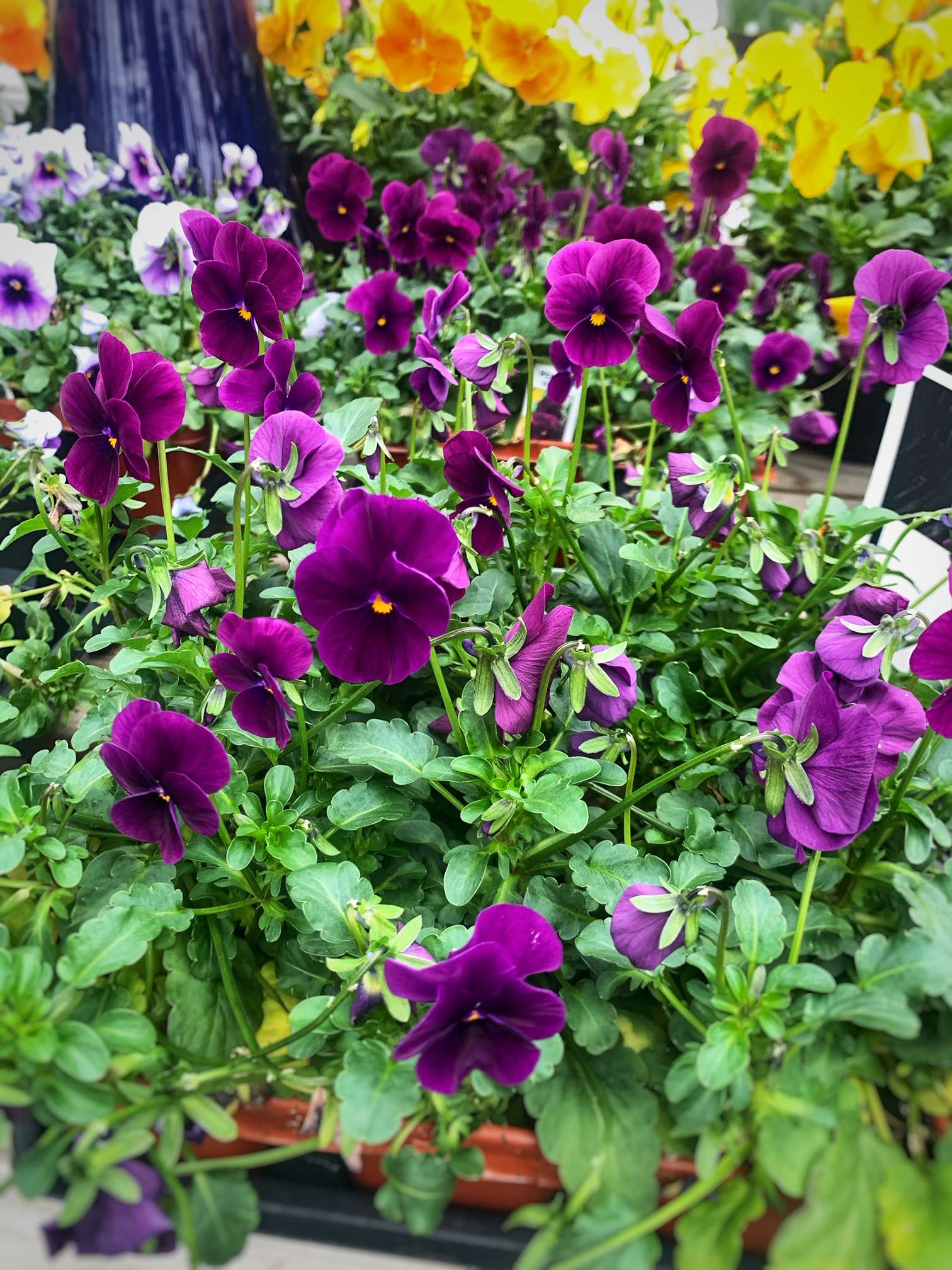
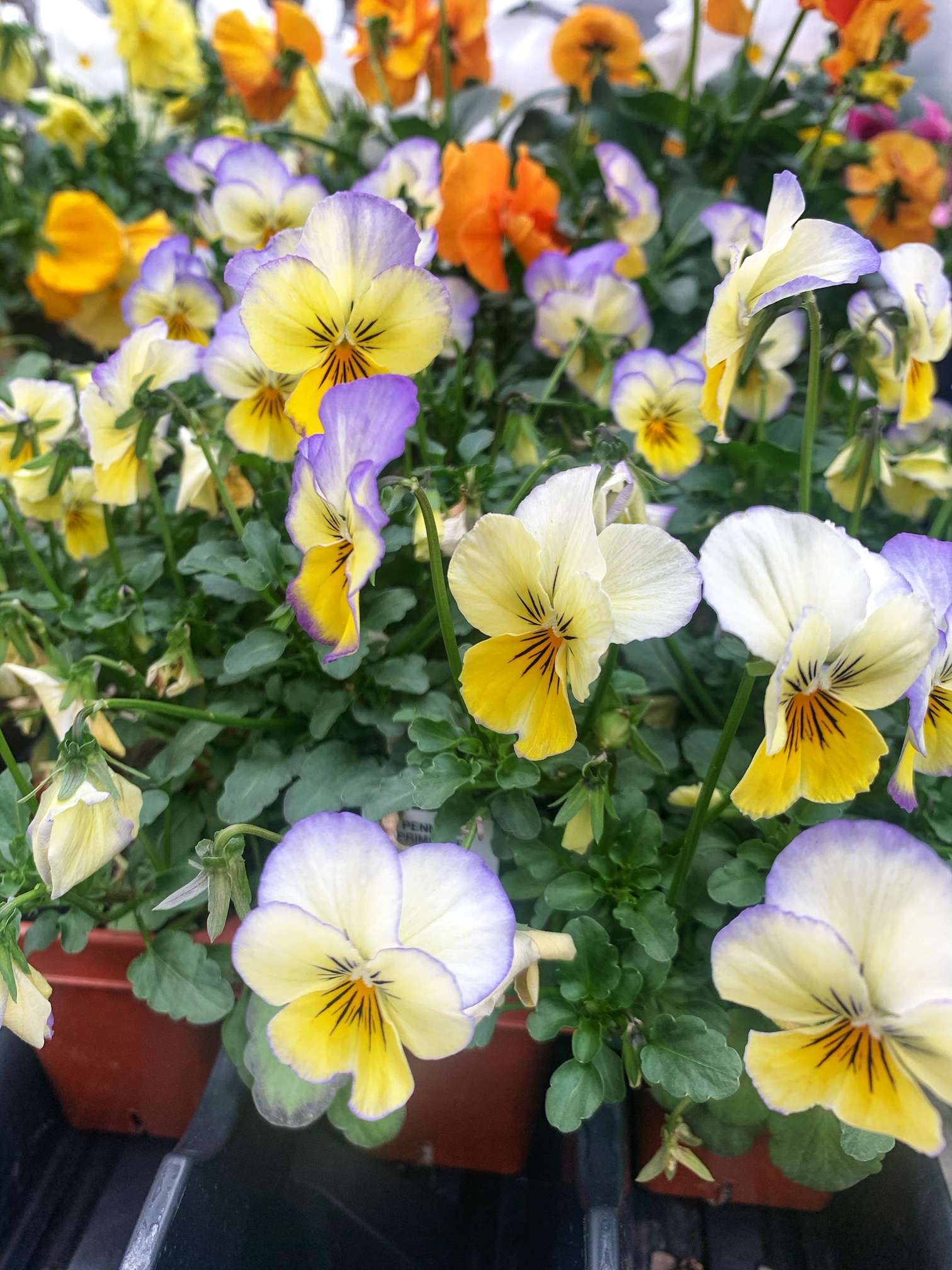
One of the most captivating things about pansies is the vast array of colors they come in. From soft, pastel shades to bold, rich tones, there’s something for every garden. You’ll find deep purples, bright yellows, soft blues, and eye-catching combinations that look like little works of art. The unique “faces” in their petals—often with contrasting centers—add character and charm, making them stand out no matter where you plant them. Pansies are perfect for creating a lively, colorful display that can transform any garden space.
Pansies are a go-to for creating beautiful flower beds, hanging baskets, and even window boxes. They are also fantastic for pairing with other early-blooming flowers like daffodils, crocuses, and tulips, enhancing the vibrant spring color in your garden.
Pansies’ Hardiness: A Welcome Surprise
One of the things that make pansies stand out among other garden flowers is their exceptional hardiness. Unlike many tender annuals that wither with a late frost, pansies can often tolerate temperatures as low as 26°F (-3°C). They can endure colder weather than most annuals, which is a huge advantage for gardeners who want their flowers to last longer into the fall and come back strong in early spring.
Pansies are considered “cool-weather” plants, and they thrive when temperatures range between 40°F to 60°F. So, while many flowers take a break during the colder months, pansies keep going strong, offering beauty even when winter is just around the corner.
Caring for Pansies: Tips for Success
Planting:
Choose a location with well-drained soil and a spot that gets partial to full sunlight. While pansies can tolerate some shade, they do best with at least 4–6 hours of sunlight each day.
Watering:
Pansies like consistent moisture but don’t want to sit in soggy soil. Water them regularly, but make sure the soil drains well to prevent root rot.
Fertilizing:
Fertilize your pansies with a balanced, water-soluble fertilizer every few weeks to keep them healthy and blooming.
Deadheading:
Remove faded or dead flowers to encourage new blooms. Pansies often produce more flowers when kept neat and tidy.
Protection from Extreme Heat:
While pansies thrive in cool weather, they can become stressed during hot summers. Consider planting them in a location with some afternoon shade during peak summer heat, or replace them with heat-tolerant plants for the warmer months.


Pansies: Not Just for the Garden
Did you know you can also use pansies in your kitchen? The vibrant blooms are edible and can be used to decorate cakes, cupcakes, or salads. In fact, pansy petals have a mild, slightly grassy flavor and add a lovely touch to your dishes. Just make sure to avoid any pesticides or chemicals on the flowers if you plan to eat them.
From their long-lasting blooms to their adaptability in varying temperatures, pansies are a favorite among gardeners. They represent the best of both worlds: beauty and resilience. So, next time you’re looking for a flower that will brighten up your garden, consider the humble pansy. With their easy care, vibrant colors, and hardy nature, they’re sure to bring you joy through the seasons.


 @whiteoakgardens