



Let’s talk about the real MVPs of the landscape world — evergreens. These plants quietly hold down the fort while everything else in your yard is going through seasonal drama. They’re out there, still green in February, still standing tall after a snowstorm, and still giving birds a place to perch when everything else is bare.
If you’re planning a garden that looks good all year (and makes your neighbors do a double-take), you’re going to want evergreens in the mix. Whether you’re looking for privacy, structure, or just some life in the winter, these plants have your back.
WHAT EVEN IS AN EVERGREEN?
We throw around the word “evergreen” a lot, but all it really means is this: the plant doesn’t lose its leaves or needles in the fall. While deciduous trees go bare for winter, evergreens stay green — hence the name. And yes, that includes everything from towering pine trees to compact little shrubs you tuck into your foundation beds.
Some have soft, feathery needles. Others have dense, shiny foliage. Some are loose and wild, others look like living sculptures. It’s a surprisingly diverse group.
EVERGREENS EARN THEIR KEEP ALL YEAR LONG
One of the biggest reasons gardeners — and even the birds — love evergreens is because they’re always in season. When everything else goes quiet in winter, evergreens are still out there holding the landscape together. They offer privacy where you need it, whether you’re blocking a busy road, softening a property line, or just hiding the neighbor’s trampoline. But it’s not all about screening — evergreens bring structure and definition to the garden. Tuck one at the end of a path to create a focal point, use them as a backdrop to your perennials, or nestle them into the corners of a bed to anchor the whole thing. They come in all shapes and textures too — from soft and wispy to bold and spiky — and when you mix them thoughtfully, the result is a rich, layered look that feels full even when nothing’s blooming. Birds certainly appreciate it too; evergreens offer shelter and protection all year, and some even produce berries for winter food. And the best part? Once they’re established, they mostly take care of themselves. A little water in the early years, maybe a bit of shaping here and there, and you’ve got a plant that’s pulling its weight 365 days a year.

MAJOR CATEGORIES OF EVERGREENS
Understanding the types of evergreens helps you choose the right plant for the right purpose. Here’s a breakdown by plant family or form:
Arborvitae
These are upright evergreens with soft, feathery foliage and a naturally pyramidal shape. Commonly used for hedges and privacy screens, arborvitae are popular because they grow dense, are easy to trim, and tolerate urban conditions well.
They prefer full sun and well-drained soil, though some types will handle partial shade. They’re best known for their deep green foliage, which may bronze slightly in winter.

Juniper
Junipers are extremely versatile — ranging from low-spreading groundcovers to tall, narrow trees. Their foliage can be prickly or soft, and often comes in shades of blue-green, gray-green, or even gold.
They’re excellent for tough spots: drought-prone hillsides, poor soils, or high-sun, high-traffic areas. Junipers also add visual contrast to other green-leafed plants thanks to their unusual textures and colors.

Cypress
Cypress trees and shrubs often have lacy or fern-like foliage and are admired for their graceful habit. Some grow tall and narrow, making them elegant accent plants, while others are more mounded or spreading.
Many cypress types are prized for unique foliage color — think soft gold or smoky blue. They can be more sensitive to extreme cold or heavy wet soils, so proper placement and drainage is key in regions like Cincinnati.

Yew
Yews are one of the few conifers that thrive in shade, making them essential for dark corners or under large trees. With flat, dark green needles and red berry-like cones, they have a soft, classic look.
They are slow- to moderate-growing, and respond well to shearing — perfect for formal hedges, foundation plantings, and structured beds.
Spruce
Spruce trees are traditional conifers with stiff, spiky needles and a well-defined conical form. They’re often used as specimen trees or windbreaks, and they bring year-round drama with their striking shape.
The needles of spruce can range from dark green to silvery blue, and they often hold up well in cold weather. Good airflow is important, especially in humid climates.

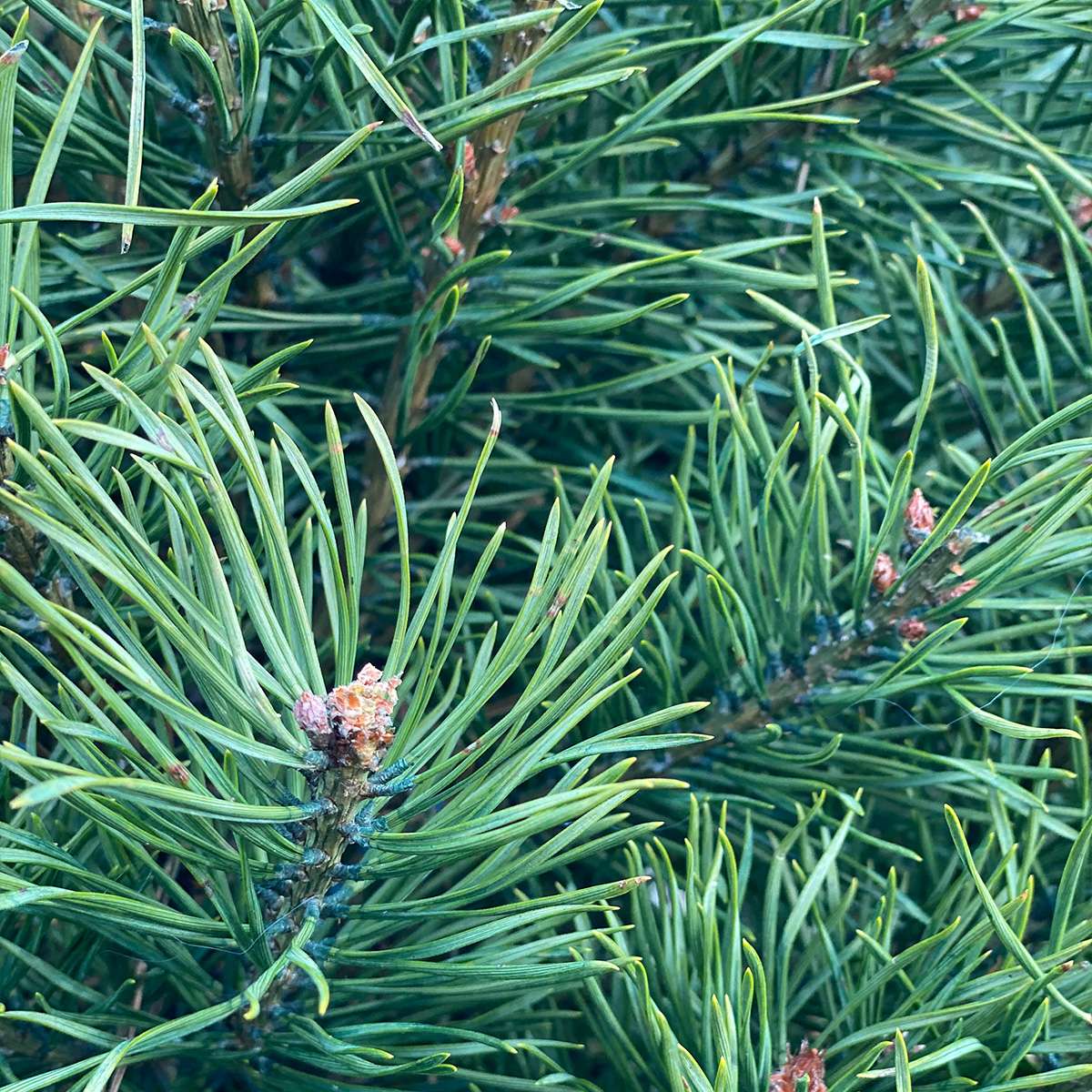
Pine
Pines tend to have a more open, informal growth habit compared to spruce. Their long needles (usually in bundles) and flaking bark give them a natural, almost woodland look.
They grow quickly and do best in full sun with good drainage. Pines are especially useful in naturalistic or large-scale plantings, where their open branches and soft textures can shine.


 @whiteoakgardens