



Winter in Cincinnati can be a tough time for wild birds. With colder temperatures, snow, and ice, natural food sources become scarce. As we approach the end of January, many birds are struggling to find enough food to survive the rest of the season. Fortunately, there are steps we can take to help these feathered friends through the harsh winter months by offering food that provides them with the energy they need to survive and thrive.
Why Feed Wild Birds in Winter?
Feeding wild birds during the winter months is beneficial for several reasons:
-
Scarcity of Natural Food: In winter, many natural food sources like seeds, berries, and insects are in short supply. Bird feeders provide a much-needed supplemental food source.
-
Energy for Survival: Cold temperatures mean that birds need more calories to maintain their body heat. High-energy foods are crucial for their survival during these frigid months.
-
Support for Migration: Many birds are migrating or overwintering in Cincinnati. Offering food helps them stay nourished as they travel or wait for the arrival of warmer weather.
Best Foods for Winter Birds in Cincinnati
When selecting food to offer wild birds during the winter, it’s important to choose foods that are high in fat, protein, and calories. This helps birds build up reserves for warmth and energy. Here are some of the best options:
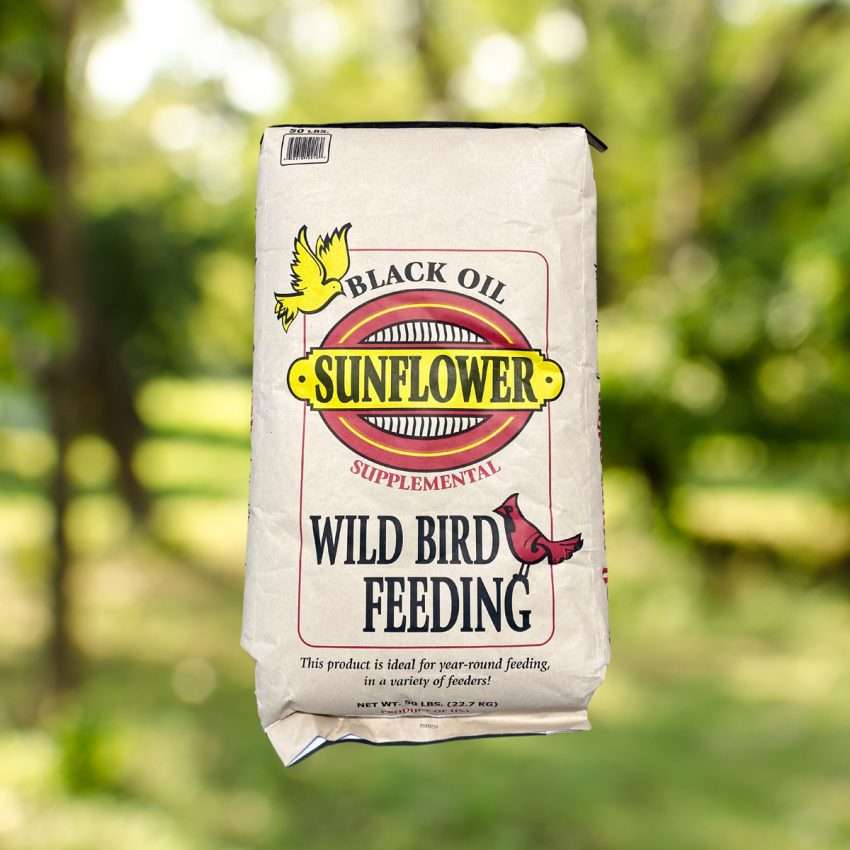
1. Black Oil Sunflower Seeds
Black oil sunflower seeds are a top choice for feeding birds during the winter. They have a high fat content and are loved by many species, including cardinals, chickadees, and nuthatches. The seeds are also smaller and have thin shells, making them easier for birds to crack open.
2. Suet Cakes
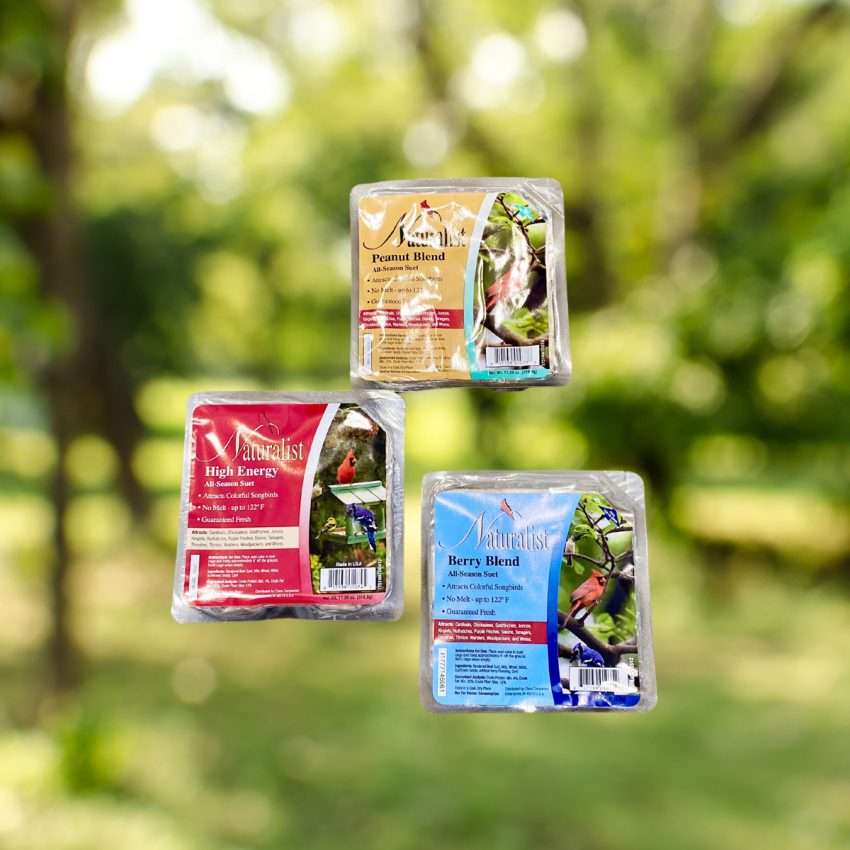
Suet is a high-fat food that provides birds with the essential energy they need to stay warm. You can buy suet cakes or make your own using lard and seeds, nuts, or dried fruits. Woodpeckers, chickadees, and titmice are particularly fond of suet, and it can be hung from trees or placed in specially designed suet feeders.
3. Peanuts (Shelled or Unshelled)
Peanuts are rich in protein and fat, making them an excellent winter food for birds. Both shelled and unshelled varieties attract species like blue jays, woodpeckers, and titmice. Just be sure to avoid salted peanuts, as they can be harmful to birds.
4. Nyjer (Thistle) Seed
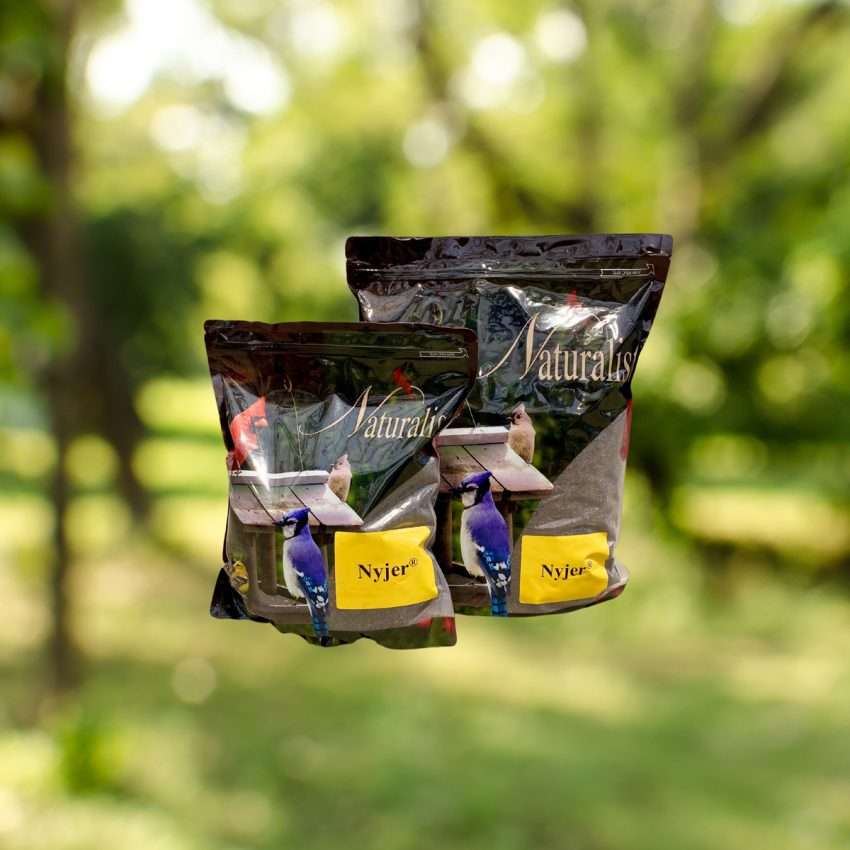
Nyjer seed is another great option for finches, including goldfinches, who stay in Cincinnati during the winter months. These tiny, high-fat seeds are perfect for their small beaks and provide them with the calories they need to survive in the cold.
5. Millet
Millet is a small, round seed that is favored by sparrows, juncos, and other ground-feeding birds. It’s an affordable and easy-to-find option, and it can be spread directly on the ground or placed in a hopper-style feeder.
6. Fruit
Though not as popular as seeds or suet, fruits like apples, pears, and raisins can be a great winter treat for birds. Slicing up apples or hanging whole fruits can attract robins, waxwings, and other fruit-eating species. Just make sure to remove any pits or seeds, as some can be harmful.
7. Mealworms
Mealworms are an excellent protein source and are especially appealing to insect-eating birds like bluebirds, robins, and chickadees. You can purchase dried mealworms or offer live ones if you’re feeling adventurous!
How to Set Up Feeders
To maximize the benefit of your winter bird feeding, it’s important to place your feeders thoughtfully and keep them well-maintained:
-
Location: Place feeders in areas that are sheltered from wind and predators, such as near bushes, trees, or fences. Birds prefer safe, quiet places where they can easily take cover if needed.
-
Cleanliness: Clean your feeders regularly to prevent the spread of disease. Use a mild bleach solution to disinfect feeders every few weeks and replace food that has been exposed to moisture or mold.
-
Variety: Offering a variety of foods will attract different species. Mix and match the options listed above to cater to a wide range of birds.
Other Tips for Helping Birds in Winter
-
Fresh Water: Birds need access to fresh water, even in winter. While it may freeze, a birdbath heater can help keep the water unfrozen so birds can drink and bathe.
-
Shelter: If possible, provide shelter for birds during cold spells. Natural shelters, like evergreen trees, offer protection from wind and snow. You can also consider installing birdhouses to provide safe places for birds to roost.
-
Avoid Bread: While it might be tempting to feed birds bread, it’s not a healthy option. Bread lacks the nutrients birds need and can lead to malnutrition.
Popular Birds in Cincinnati During Winter
In Cincinnati, we’re lucky to have a diverse range of birds that visit our feeders during the winter months. Some of the most common species you’ll likely encounter include:
-
Northern Cardinals: Bright red males and brown females are often spotted at feeders and are attracted to sunflower seeds.
-
Black-capped Chickadees: These small, curious birds love sunflower seeds and suet cakes.
-
Blue Jays: Known for their striking blue feathers, blue jays enjoy peanuts and sunflower seeds.
-
Dark-eyed Juncos: These ground-feeding birds enjoy millet and cracked corn.
-
American Robins: Though typically associated with spring, robins stay in Cincinnati through the winter and will nibble on fruit.
-
White-breasted Nuthatches: These tiny birds prefer suet and sunflower seeds and can often be seen creeping headfirst down tree trunks.


 @whiteoakgardens