



As the vibrant colors of summer begin to fade, the fall season offers a unique opportunity for gardeners to enhance their landscapes with perennials. These hardy plants return year after year, making them a favorite among gardening enthusiasts. In this blog, we’ll explore the benefits of planting perennials in the fall, what to expect during this transition, and how to care for them as winter approaches.
Why Plant Perennials in the Fall?
Root Development
Fall is an ideal time to plant perennials because the cooler temperatures and increased moisture help establish strong root systems. With the soil still warm from summer, roots can grow before the ground freezes, giving your plants a head start come spring.
Less Competition
In fall, annual plants begin to die back, reducing competition for nutrients and water. This allows your newly planted perennials to establish themselves more effectively.
Early Spring Blooms
Fall-planted perennials often bloom earlier in spring than those planted in spring. This means you can enjoy their beauty sooner and create a more vibrant landscape.
What to Expect When Planting in Fall
When planting perennials in the fall, keep in mind that growth above the ground may slow or even stop as temperatures drop. However, below the soil, your plants will be hard at work developing roots.
Timing
Aim to plant your perennials at least 4-6 weeks before the first expected frost. This timing allows the plants to acclimate to their new environment and prepare for winter.
Acclimation
You may notice that some perennials will begin to go dormant as the temperatures drop. This is a natural response, and it’s a sign that your plants are preparing for winter.
Care for Perennials Leading into Winter
Watering
Even in fall, it’s important to keep your perennials adequately watered. Ensure they receive about an inch of water per week until the ground freezes. Proper hydration helps plants survive the cold months.
Mulching
Applying a layer of mulch around your perennials can help insulate the roots and maintain soil moisture. Organic mulch, such as shredded leaves or straw, can also break down over time, enriching the soil.
Fertilizing
Fall is typically not the time for fertilizing perennials. Instead, consider applying a slow-release fertilizer in early spring to give them a nutrient boost as they wake up from dormancy.
Cutting Back and Caring for Perennials
Different perennials require different care as winter approaches. Here’s a guide on what to do with some common varieties:
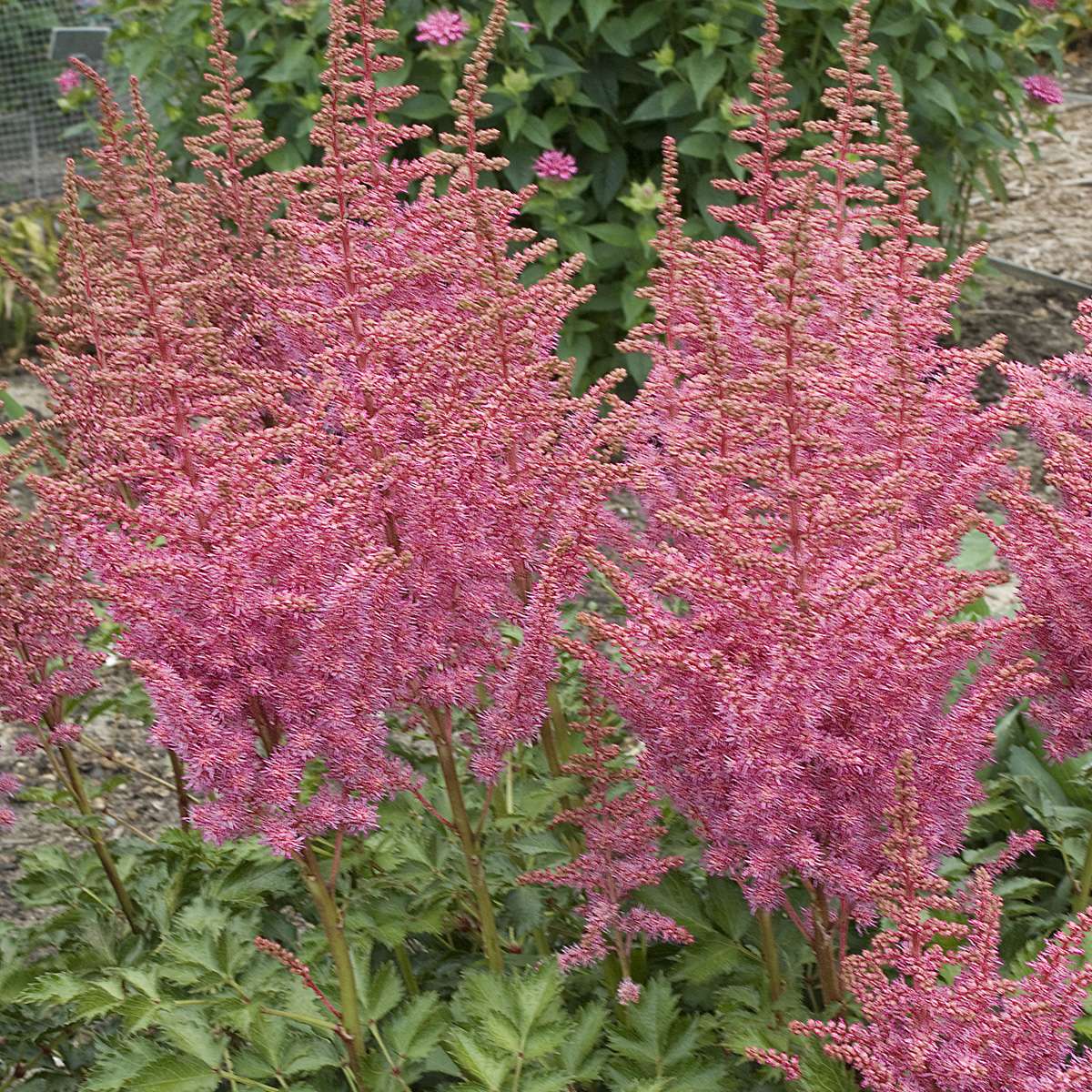
- Astilbe: Cut back the foliage to about 2-3 inches above ground. This helps prevent rot and prepares the plant for new growth in spring.
- Phlox: After the foliage dies back, trim it to about 6 inches. This helps reduce disease and encourages healthy regrowth.
- Liatris: Cut back the spent flower stalks after blooming. The foliage can be left until it browns for winter interest.
- Peonies: Once the leaves turn yellow or brown, cut back the foliage to about 2-3 inches. This prevents potential disease issues.
- Yarrow: Trim back the dead stems to the ground after flowering. This encourages fresh growth in the spring.
- Sedum: Cut back the stems to about 6 inches after the flowers fade. This helps keep the plant tidy and promotes new growth.
- Bee Balm: Cut back the spent flowers and foliage to about 6 inches. This prevents mildew and keeps the plant healthy.
- Russian Sage: Trim back the stems to about 6-12 inches. This helps prevent wind damage and encourages bushier growth.
- Coreopsis: After flowering, cut back the stems to encourage a tidy appearance and new growth next season.
- Catmint: Cut back by about one-third after flowering. This can encourage a second bloom and help maintain a compact shape.


Other Considerations
Dividing: Fall is an excellent time to divide and transplant overcrowded perennials. This rejuvenates the plants and promotes healthier growth.
Protection: For sensitive perennials, consider covering them with a frost cloth or burlap if an early frost is predicted.


 @whiteoakgardens