



Description
Description
- Height and Spread: Salvia species and cultivars vary widely in size, ranging from low-growing ground covers to tall shrubs. Depending on the variety, they can reach heights anywhere from 6 inches to 5 feet tall, with a comparable spread.
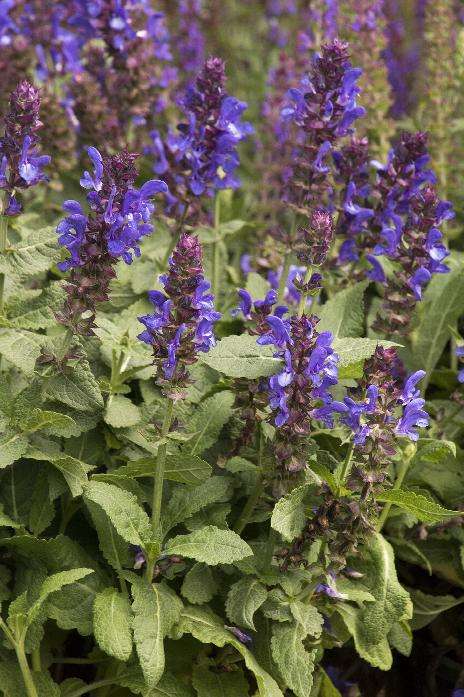
- Leaves: Features aromatic, often lance-shaped leaves that may be green, gray-green, or variegated, depending on the species or cultivar. The foliage emits a pleasant fragrance when brushed or crushed and adds texture and interest to the garden.
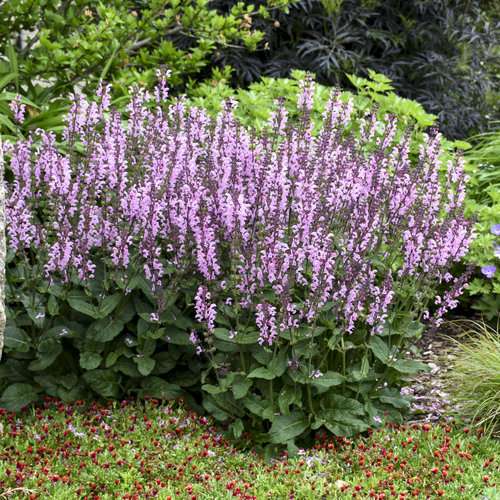
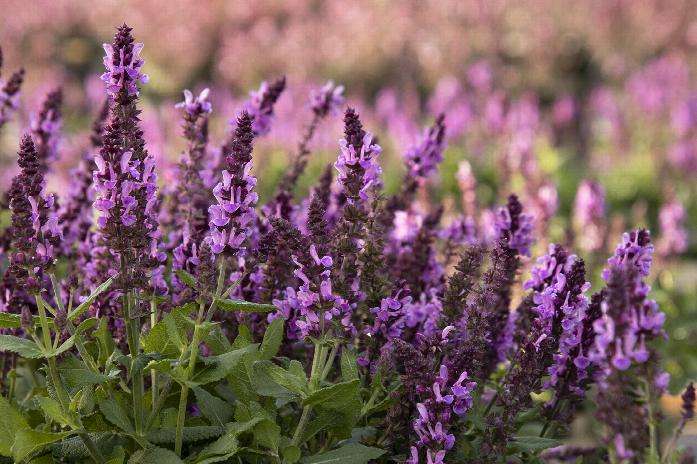
- Flowers: Boasts spikes of tubular flowers in various colors, including shades of blue, purple, red, pink, and white. The blooms are highly attractive to bees, butterflies, and hummingbirds, making Salvia a valuable addition to pollinator gardens.
- Growth Habit: Salvia exhibits a wide range of growth habits, from clumping mounds to sprawling ground covers to upright shrubs. Most varieties have a bushy, dense growth habit with multiple stems arising from the base of the plant.
Habitat and Cultivation
- Adaptability: Salvia is native to diverse habitats around the world, including North and South America, Europe, and Asia. Different species and cultivars are adapted to various climates and growing conditions, with hardiness ranging from USDA zones 3 through 11.
- Soil and Sunlight: Prefers well-drained soil and thrives in full sun. While some species can tolerate partial shade, most prefer full sun to encourage prolific flowering. Salvia is relatively drought-tolerant once established and prefers dry to moderately moist soil.
- Watering: Watering needs vary depending on the species and local climate. In general, newly planted salvias require regular watering to establish a strong root system, while established plants can thrive with minimal supplemental irrigation.
Care and Maintenance
- Pruning: Deadheading spent flowers can encourage continuous blooming and prevent self-seeding, though some gardeners may appreciate the volunteer seedlings. Pruning back the stems in early spring can help rejuvenate the plant and promote bushier growth.
- Pests and Diseases: Salvia is generally resistant to pests and diseases, though it may occasionally be susceptible to issues such as powdery mildew, aphids, or spider mites. Good air circulation and proper spacing can help prevent these problems.
Landscaping Use
- Salvia is ideal for use in perennial borders, herb gardens, pollinator gardens, and container plantings. Its long blooming period, attractive foliage, and ability to attract beneficial insects make it a valuable addition to any garden.
- It can also be used as a cut flower, both for fresh arrangements and dried bouquets, thanks to its long-lasting blooms and aromatic foliage.


 @whiteoakgardens
Alison Miller –
I bought 3 of these for my perennial garden and they are gorgeous! White Oak always has the best quality. Highly recommend!